
Book review blog site, with some entertainment material from time-to-time.
Friday, 30 January 2026
That's Business: Why Calm, Consistent Leadership Matters More Than ...
That's Business: Why Calm, Consistent Leadership Matters More Than ...: In a world where leadership is often loud, performative, and driven by constant urgency, particularly in the wake of burnout , disengagement...

Wednesday, 28 January 2026
Why Phone-Free Events Are Set to Shape the Future of Nightlife in 2026
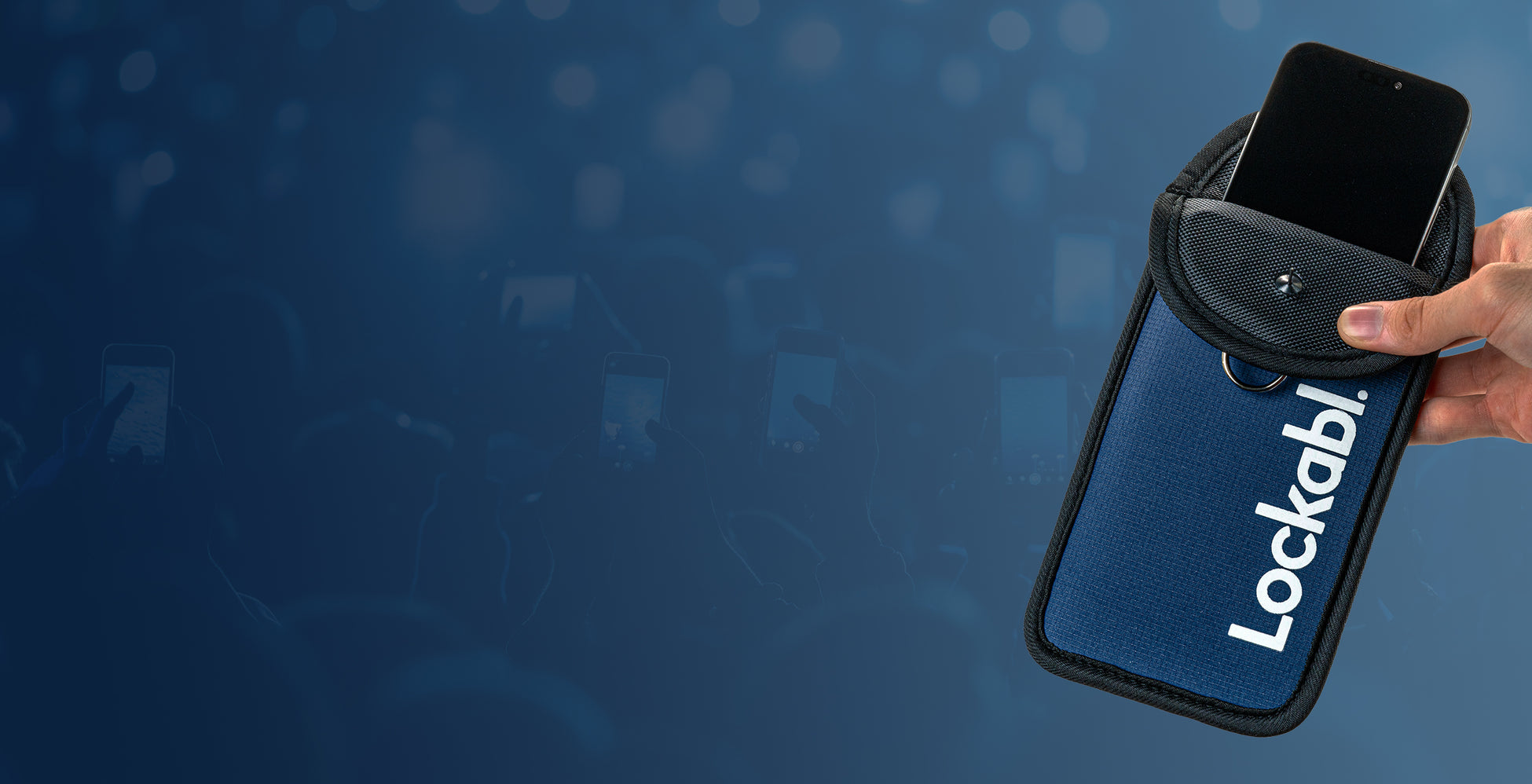
While still relatively new in the UK, early adopters are already reporting clearer benefits around atmosphere, audience behaviour and social connection.
Drawing on established practices in cities such as Berlin, UK organisers are now looking ahead to 2026 as the point where phone-free environments become a more familiar and intentional part of event design. Lockabl, a UK specialist in phone-free event solutions, explains why interest is growing, what organisers are already seeing in practice and how the right tools are helping phone-free nights run smoothly without confrontation or added liability.
A spokesperson told That's Books and More: “What we’re seeing now is organisers moving from testing phone-free nights to programming them with intent. Once venues introduce these formats regularly, the benefits become very clear very quickly.
“In Berlin, this approach has been embedded for years. According to Clubcommission Berlin, around 90% of venues operate a no-phones-on-the-dancefloor code. That kind of cultural shift doesn’t happen by accident – it’s the result of design, expectation and consistency.
“UK organisers aren’t trying to replicate Berlin wholesale, but they are recognising the same outcomes: stronger atmosphere, fewer distractions and audiences that are more engaged with the music and each other.”
“Importantly, successful phone-free events aren’t about enforcement. Organisers want structure, not conflict – a way to support their policy without staff having to confiscate phones or manage storage.”
“Lockable phone pouches work because the phone stays with the guest at all times. Patrons can dance the night away knowing their device is still in their possession, just secured, which removes tension and significantly limits liability for venues.”
“Based on the organisers we work with, 2026 is likely to be the year phone-free formats shift from being interesting to being expected – particularly for clubs, residencies and immersive events that want to stand out.”
Lockabl supplies rental lockable phone pouches for live events, performances, TV productions and nightlife experiences across the UK. The company provides the equipment that allows organisers to give structure to phone-free events, while ensuring guests retain possession of their devices throughout the night.
Recent successful phone-free nightlife events have included “Off-Grid”, hosted by Stormzy’s Soho concept bar venue and “Lost”, a hybrid nightclub; cinema and performance space located in the Saville Theatre.
Lockabl does not set event policies or operate venues but supports organisers in implementing their chosen approach in a clear, consistent and guest-friendly way.
Yamaha Music London Opens Applications for 2026 Ambassador Competition

Open to UK-based artists within easy reach of London, the programme will select three Yamaha Music London Ambassadors for 2026, providing them with industry mentorship, professional recording opportunities, marketing and PR support, and the chance to represent the iconic music store for twelve months.
“This could be the moment that changes everything.”
The competition has already proven itself as a launchpad for breakthrough talent. Previous Ambassadors—including Cian Downing, Codyy, Kevin Davy White, Matt Kent, and Liv Lester—have gone on to perform at major venues across London and Europe, release critically praised music, and collaborate with Yamaha Music London on professional video content.
“Winning the Yamaha Music London Ambassadorship has been a huge step forward for my career.”
— Cian Downing, Yamaha Music London Ambassador
Winners will receive a comprehensive prize package, including an official 12-month ambassadorship, a Yamaha instrument, one-to-one industry mentorship, professional studio recording time, a high-quality showcase video, and inclusion in Yamaha Music London’s 2026 digital marketing campaigns.
Shortlisted artists will compete in live showcases in London, with semi-finals taking place between 18–20 March 2026 and the grand final held on 26 March 2026 at Yamaha Music London.
HOW TO ENTER
Artists must submit a 1–3 minute video showcasing their musical ability while performing original music.
CLOSING DATE: Sunday 1st March at 23:59
Enter here: https://bit.ly/4r5upNs
Terms & Conditions: https://bit.ly/49sQI7X
Applicants must be aged 18+, UK-based, unsigned, and able to perform live. Full eligibility details are available in the Terms & Conditions.
Tuesday, 27 January 2026
Libraries are asking young people how to make them feel more welcome

National charity Libraries Rising, previously known as ASCEL, has launched SparkSpace, a first-of-its-kind free training platform co-created with children and young people to support library professionals and volunteers to work more confidently and inclusively with younger generations.
The training supports library teams to meaningfully engage children and young people as active partners in shaping library spaces and services, moving beyond assumptions about what young people need, towards services designed with them, flipping the usual model of adults deciding what is best for children and young people.
The launch comes at a time when free community spaces for children and young people are shrinking across the UK. As a result, libraries are some of the last accessible, safe public spaces where young people can spend time, connect and feel part of their community.
This is reflected in recent findings from The Children’s Society Good Childhood Report, which highlights that children and young people want more opportunities to be involved in their communities and to have a say in the decisions that affect them.
As the UK looks ahead to the National Year of Reading 2026, Libraries Rising highlights a vital point: for young people to experience the joy and value of libraries, they need to feel they matter and that they belong.
Libraries are widely recognised as inclusive community spaces, particularly for children and families. However, SparkSpace recognises that welcome cannot be assumed, it needs to be actively built, through listening, trust and shared ownership. With this in mind, SparkSpace supports library teams to create environments where young people feel valued and heard - places they are part of, not just visitors to.
The platform includes short learning modules, videos and practical activities that support library staff and volunteers to better understand the needs of children and young people and why it matters. The training also looks at how to create more inclusive spaces including for children and young people with SEND, communicate more confidently with young people and encourage their involvement and use outreach and social media in relevant and creative ways that directly engage children and young people.
Rather than being designed without young people’s input, SparkSpace has been shaped directly by children and young people themselves. Young contributors shared honest experiences and shared what they need to feel they belong.
Developed in collaboration with youth engagement specialists Participation People, SparkSpace has been led by children and young people from the very beginning.
They were involved at every stage - identifying what library staff need to understand, shaping content, providing feedback and ensuring the training feels relevant, authentic and grounded in lived experience.
One young person who participated was fifteen-year-old Will, who found the experience empowering. He said: “I’ve never done something like this before, but it was amazing,” he said. “As a young person, it’s great to be involved in these changes.”
The result is a practical, confidence-building platform that equips library teams with the tools, skills and understanding to engage young people in meaningful ways and embed participation into everyday practice.
Tabitha Witherick Macaulay, Chief Executive of Libraries Rising, said: "Co-creating this training with children and young people has been absolutely key. If we want young people to engage with libraries, they need to feel they are spaces where they truly belong.
“By embedding participation into everyday practice, SparkSpace will help libraries strengthen their role at the heart of communities and create environments where young people feel genuinely included. For public spaces to work for young people, we have to work with them, not just develop spaces for them.”
SparkSpace is free to use, thanks to funding from The Foyle Foundation, ensuring cost is not a barrier for libraries at a time when budgets remain under pressure.
SparkSpace reflects a wider shift in how libraries are evolving - positioning them as collaborative, youth-inclusive spaces that respond to the realities young people face today.
Monday, 26 January 2026
The Best Information Books for Children: 2026 Information Book Award shortlist announced with a new publisher sponsor
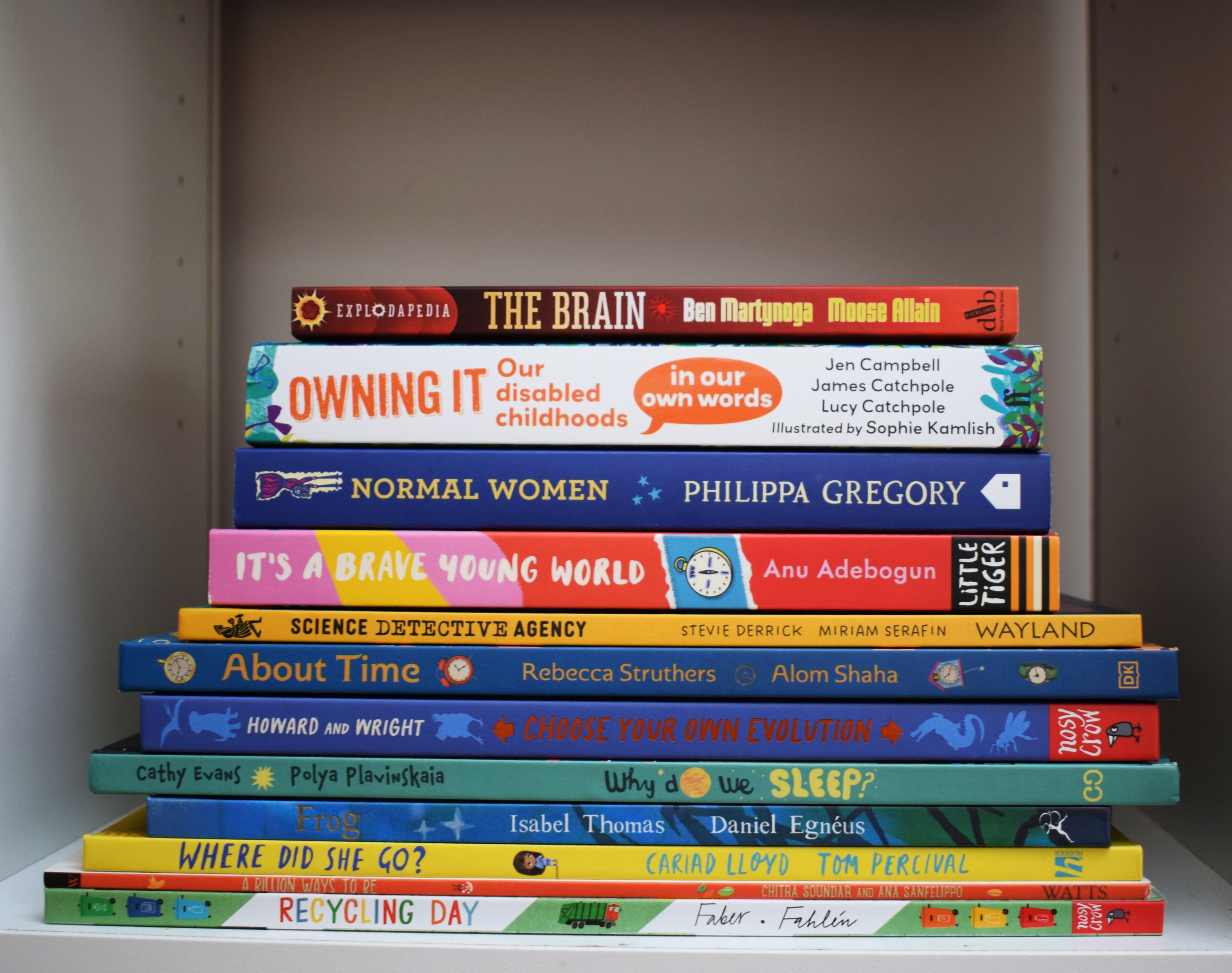
Children across the country can now read the shortlisted titles and cast their votes in the Award’s Children’s Choice categories.
All schools signing up to take part in the Book Club receive free resources, and those who do so before Friday 13th February will have the opportunity to receive a free pack of shortlisted books in one age category, thanks to generous support from the Authors Licensing and Collection Society (ALCS).
The voting period will run until May 2026, giving schools the chance to hold meaningful book club sessions across several weeks.
Taking part in the IBA Book Club will help children develop critical thinking skills, develop confidence in communicating their opinions, find new interests and fire up their love of reading.
The SLA has also announced new sponsorship for the IBA, with DK, the UK’s number one children’s non-fiction publisher, joining the Award as sponsor. This is an exciting new development, which reflects the IBA’s growing focus on pupil voice and school engagement.
Sarah Later, Managing Director of DK Children’s told That's Books and More: "At DK, we champion the transformative power of books.
"In the National Year of Reading, school libraries matter more than ever. As many young readers gravitate toward non-fiction, the Information Book Award is essential, celebrating the remarkable talent that makes our world come alive."
The 12 books on the IBA shortlist range from picture books to choose your own adventures and encyclopaedias, covering everything from why we sleep, to where we came from:
Under 7 age category shortlist:
A Billion Ways to Be, Chitra Soundar, illustrated by Ana Sanfelippo, Franklin Watts, Hachette Children’s Group
Frog: A Story of Life on Earth, Isabel Thomas, illustrated by Daniel Egneus, Bloomsbury Children’s Books
Recycling Day: What Happens to the Thing We Throw Away, Poly Faber, illustrated by Klas Fahlén, Nosy Crow
Where Did She Go?, Cariad Lloyd, illustrated by Tom Percival, Hodder, Hachette Children’s Group
8 – 12 age category shortlist:
About Time, Rebecca Struthers and Alom Shaha, illustrated by Lucy Rose, DK
Choose Your Own Evolution, Jules Howard, illustrated by Gordy Wright, Nosy Crow
Science Detective Agency, Steve Derrick, illustrated by Miriam Serafin, Wayland, Hachette Children’s Group
Why Do We Sleep?, Cathy Evans, illustrated by Polya Plavinskaia, Cicada Books
13– 16 age category shortlist:
Explodapedia: The Brain, Ben Martynoga, illustrated by Moose Allain, David Fickling Books
It’s a Brave Young World, Anu Adebogun, illustrated by Soofiya and Lila Cruz, Little Tiger
Normal Women, Philippa Gregory, illustrated by Alexis Snell, Red Shed, Farshore
Owning It: Our Disabled Childhoods in Our Own Words, edited by Jen Campbell, James Catchpole and Lucy Catchpole, illustrated by Sophie Kamlish, Faber and Faber
The shortlist was selected by a panel of judges made up of SLA member librarians, industry representatives and authors, including SLA Patron Smriti Halls.
Chair of judges, Helen Cleaves said: “From automata to autism, this shortlist is nothing if not diverse, offering a wealth of information adventures for children from toddler to teen. What's more, these books have the whole package: stunning artwork and meticulous design combine with engaging text for maximum impact.”
Judges’ comments about each individual title on the shortlist are available here.:- https://slassoc.sharepoint.com/:w:/g/IQCsXiNfZBMeQK4mdIqbxLseARAHB9Ls98mT07vCHFxvn6s?e=IGuseS
The winners of the IBA and the Children’s Choice accolades will be announced in the summer. Four awards will be given by both the judges and the school children shadowing the Award, with each group choosing a winner in each age category and an overall winner. Last year’s overall IBA winner was Black History for Every Day of the Year by David, Yinka and Kemi Olusoga, while the overall Children’s Choice went to Amazing Asia by Rashmi Sirdeshpande, illustrated by Jason Lyon.
Victoria Dilly, CEO of the SLA said: “For librarians, teachers, parents and children, information books can offer a new route into reading, which encourages curiosity about the world around us, and creates an ideal opportunity for a shared experience: whether that’s sharing newfound facts, looking at engaging illustrations together, or exploring a freshly discovered interest.
"This year’s IBA shortlist showcases a diverse collection of books that cover a vast range of subjects. I can’t wait to hear from all the librarians and pupils who will be exploring these books through the IBA Book Club.”
Book packs of the shortlisted titles will be available to buy from Peters Books at a discount of 20%.
Wednesday, 14 January 2026
Thugs v Dinosaurs: When Low-Budget Cinema Roars Loudest

Released in 2015, with a reported budget of $3,000, this indie oddity answers a question nobody knew they needed asking: what happens when modern-day criminals, paleontologists, a group of friends and a military veteran suffering from PTSD who is searching for a missing girl, come face to face with prehistoric predators accidentally created by a former Nazi scientist?
The answer, unsurprisingly, is utter madness, and that’s exactly the point.
A Plot That Knows Exactly What It Is
The premise of Thugs v Dinosaurs is refreshingly unapologetic. A group of hardened criminals find themselves battling dinosaurs after a mysterious experiment goes very wrong.
There’s no attempt to over-explain the science or ground it in realism. Instead, the film leans hard into its B-movie roots, delivering a storyline that exists purely to string together gunfights, roaring reptiles, and plenty of tongue-in-cheek mayhem.
This is not a film trying to be clever or prestige-driven. It knows its audience and plays directly to them.
Budget Constraints, Big Ambition
What really stands out is how much ambition is packed into such a small budget. The special effects are rough around the edges, with CGI dinosaurs that clearly won’t trouble Hollywood studios, but that’s part of the charm. Much like classic creature features and cult sci-fi from decades past, the enjoyment comes from seeing filmmakers push their resources as far as they possibly can.
The action scenes are surprisingly energetic, the pacing is brisk, and the film never lingers long enough for its limitations to become tiresome.
Performances and Tone
The cast fully commits to the absurdity of the concept. Performances are knowingly exaggerated, fitting perfectly with the over-the-top tone. Tough-guy dialogue sits comfortably alongside moments of deliberate silliness, creating a film that feels more like a late-night cult watch than a serious cinematic endeavour.
Crucially, Thugs v Dinosaurs doesn’t mock its own audience. It invites viewers in on the joke while still treating its story seriously enough to keep things moving.
Why Films Like This Matter
In an era dominated by massive franchises and endless sequels, films like Thugs v Dinosaurs remind us why independent cinema matters. They’re experimental, fearless, and unconcerned with mainstream approval. These are the films that thrive at midnight screenings, cult festivals, and streaming platforms where adventurous viewers are looking for something a bit different.
You don’t watch this film expecting polish — you watch it for fun, nostalgia, and the sheer audacity of its concept.
Final Thoughts
Thugs v Dinosaurs won’t be for everyone, and it doesn’t pretend otherwise. But for fans of low-budget action, creature features, and cult cinema, it delivers exactly what it promises. It’s loud, scrappy, ridiculous, and oddly endearing — proof that sometimes all you really need is a wild idea and the confidence to run with it.
If you enjoy films that celebrate excess over elegance, this one is well worth seeking out, preferably with friends, snacks, and a healthy appreciation for cinematic chaos.
And you'll probably be charmed by the rather special introduction music.
You can watch the full movie here at That's Books and More:-
Tuesday, 13 January 2026
Looking Back on World Braille Day: Why It Still Matters

As we look back on this year’s World Braille Day, it feels especially important to restate why Braille remains as relevant now as it was nearly two centuries ago.
The Legacy Behind the Dots
World Braille Day is marked on the birthday of Louis Braille, the French innovator who lost his sight as a child and went on to create the tactile writing system that bears his name. His invention was not merely a new alphabet; it was a gateway to literacy, education, and self-determination for blind and partially sighted people around the world.
Braille enabled readers to learn spelling, grammar, punctuation, and mathematics through touch — something audio alone cannot fully replace. That distinction remains crucial today.
Braille in a Digital World
One of the recurring themes of this year’s World Braille Day was the misconception that Braille is becoming obsolete. With screen readers, audiobooks, and voice assistants now commonplace, some assume tactile reading is no longer necessary.
In reality, the opposite is true.
Refreshable Braille displays, Braille note-takers, and tactile labelling systems have evolved alongside digital technology. Braille continues to support:
True literacy, rather than passive listening
Privacy, especially when reading sensitive information
Employment, where accuracy and discretion matter
Education, particularly in STEM subjects
Organisations such as the Royal National Institute of Blind People continue to champion Braille education and access across the UK, ensuring it remains embedded in modern life rather than sidelined by technology.
A Human Rights Perspective
World Braille Day is also recognised by the United Nations as part of its wider commitment to accessibility and inclusion. Access to information is a human right — and Braille is a vital tool in upholding that right for millions of people worldwide.
From medication packaging and public signage to banking, transport, and voting materials, Braille plays a quiet but powerful role in everyday autonomy.
Why Awareness Still Matters
For many people without sight loss, Braille is invisible — present but unnoticed. World Braille Day challenges that invisibility. It encourages:
Designers to think about inclusive packaging
Employers to consider accessible workplaces
Educators to support Braille literacy
Communities to value accessibility as standard, not optional
Even small steps, such as including Braille on signs or learning the basics of the Braille alphabet, contribute to a more inclusive society.
Looking Ahead
As we move forward from this year’s World Braille Day, the message is clear: progress does not mean replacement. Braille is not a relic of the past; it is a living, evolving system that continues to empower people every day.
Remembering World Braille Day is not just about honouring history, it is about recommitting to accessibility, equality, and the belief that everyone deserves full access to the written word.
https://www.sense.org.uk/information-and-advice/ways-of-communicating/braille/
Subscribe to:
Comments (Atom)