
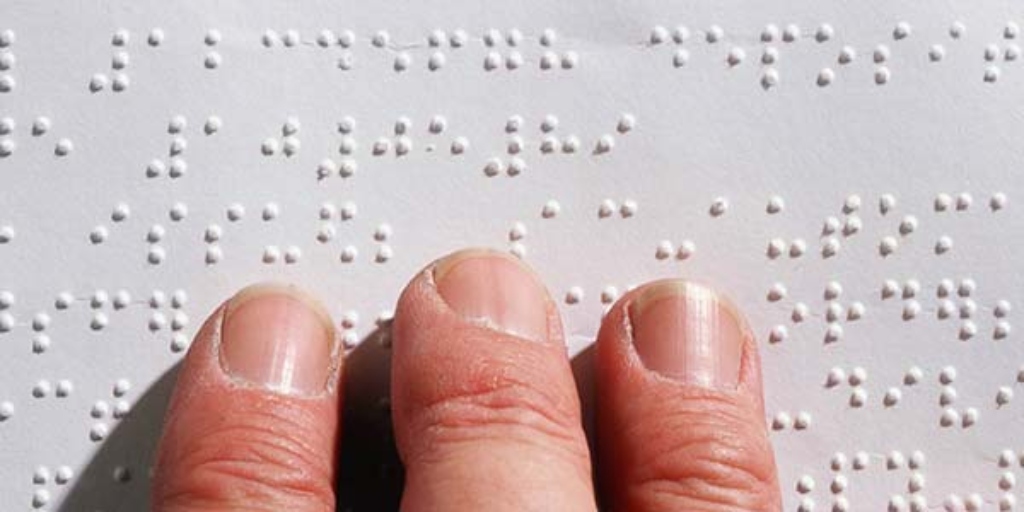
As we look back on this year’s World Braille Day, it feels especially important to restate why Braille remains as relevant now as it was nearly two centuries ago.
The Legacy Behind the Dots
World Braille Day is marked on the birthday of Louis Braille, the French innovator who lost his sight as a child and went on to create the tactile writing system that bears his name. His invention was not merely a new alphabet; it was a gateway to literacy, education, and self-determination for blind and partially sighted people around the world.
Braille enabled readers to learn spelling, grammar, punctuation, and mathematics through touch — something audio alone cannot fully replace. That distinction remains crucial today.
Braille in a Digital World
One of the recurring themes of this year’s World Braille Day was the misconception that Braille is becoming obsolete. With screen readers, audiobooks, and voice assistants now commonplace, some assume tactile reading is no longer necessary.
In reality, the opposite is true.
Refreshable Braille displays, Braille note-takers, and tactile labelling systems have evolved alongside digital technology. Braille continues to support:
True literacy, rather than passive listening
Privacy, especially when reading sensitive information
Employment, where accuracy and discretion matter
Education, particularly in STEM subjects
Organisations such as the Royal National Institute of Blind People continue to champion Braille education and access across the UK, ensuring it remains embedded in modern life rather than sidelined by technology.
A Human Rights Perspective
World Braille Day is also recognised by the United Nations as part of its wider commitment to accessibility and inclusion. Access to information is a human right — and Braille is a vital tool in upholding that right for millions of people worldwide.
From medication packaging and public signage to banking, transport, and voting materials, Braille plays a quiet but powerful role in everyday autonomy.
Why Awareness Still Matters
For many people without sight loss, Braille is invisible — present but unnoticed. World Braille Day challenges that invisibility. It encourages:
Designers to think about inclusive packaging
Employers to consider accessible workplaces
Educators to support Braille literacy
Communities to value accessibility as standard, not optional
Even small steps, such as including Braille on signs or learning the basics of the Braille alphabet, contribute to a more inclusive society.
Looking Ahead
As we move forward from this year’s World Braille Day, the message is clear: progress does not mean replacement. Braille is not a relic of the past; it is a living, evolving system that continues to empower people every day.
Remembering World Braille Day is not just about honouring history, it is about recommitting to accessibility, equality, and the belief that everyone deserves full access to the written word.
https://www.sense.org.uk/information-and-advice/ways-of-communicating/braille/

No comments:
Post a Comment
Thank you for reading my blog and for leaving a comment.